Esports Power-Up: How Competitive Gaming Went Mainstream (And How To Get In)
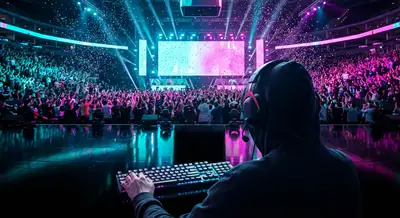
Esports isn’t “kids playing games” anymore—it’s sold-out arenas, million-dollar prize pools, and careers that didn’t even exist 10 years ago. If you’ve ever watched a major tournament and thought, “Could I actually do this?”—this guide is for you.
We’re diving into how esports really works, what games and roles matter, how pros train, and what it actually takes to get in on the action (without burning out or going broke).
Esports in 2026: From Niche Hobby to Full-On Sports Ecosystem
Esports has pulled off one of the wildest level-ups in entertainment history. What started as LAN parties and community tournaments has turned into a global industry with franchise leagues, team houses, and broadcast deals.
Prize pools tell part of the story. Titles like Dota 2, Fortnite, League of Legends, and CS2 have handed out tens of millions in total winnings across the years. We’ve gone from “winner gets a new graphics card” to “winner retires in their 20s if they’re smart with money.”
The audience is massive and still growing. Major events like League of Legends Worlds, The International, and VALORANT Champions pull viewership on par with or bigger than some traditional sports finals—especially with younger audiences who would rather watch Twitch and YouTube than cable.
But the real power move isn’t just money or views; it’s structure. Esports now has:
- Franchise leagues (LCS, LEC, OWL-style formats in the past, etc.)
- Dedicated arenas and training facilities
- Coaches, analysts, sports psychologists, and nutritionists
- Big-brand sponsors (Red Bull, Mercedes-Benz, Nike, etc.)
- University programs and scholarships focused entirely on esports
In other words: this is no longer the Wild West. Esports is building a legit ecosystem—and that creates real opportunities for players, creators, and behind-the-scenes talent.
The Meta: Genres and Games That Dominate Esports
Not every game is built for esports. The ones that make it to the big stage tend to nail three things: spectator clarity, competitive depth, and dev support for tournaments.
Here’s the current genre breakdown that actually matters if you’re serious:
1. MOBAs (Multiplayer Online Battle Arenas)
- Big names: League of Legends, Dota 2, Mobile Legends: Bang Bang, Honor of Kings
- Why they’re huge:
- High skill ceiling with endless strategic depth
- Iconic global events (Worlds, The International)
- Strong regional ecosystems (LCK, LPL, LEC, etc.)
- Best for: Strategic minds, macro-game enjoyers, people who love team-based coordination and drafted comps.
2. Tactical Shooters & FPS
- Big names: CS2, VALORANT, Rainbow Six Siege, Call of Duty
- Why they’re huge:
- Easy to watch (aim good = win)
- Short, intense rounds with clutch potential
- Strong regional leagues and third-party circuits
- Best for: Players with strong mechanics, game sense, and ice-cold nerves in 1vX situations.
3. Battle Royale
- Big names: Fortnite, Apex Legends, PUBG: Battlegrounds
- Why they’re huge:
- High chaos, highlight-reel moments
- Tournament formats like custom lobbies and point systems
- Best for: Mechanical grinders, movement gods, and players who thrive in unpredictable situations.
4. Fighting Games
- Big names: Street Fighter 6, Tekken 8, Super Smash Bros. Ultimate, Guilty Gear Strive
- Why they’re huge:
- Classic 1v1 skill tests, pure reads and reactions
- Community-driven circuits like EVO
- Best for: Players who prefer solo responsibility and outplaying their opponent mentally.
5. Sports & Racing Esports
- Big names: FIFA/EA FC, Rocket League, iRacing, F1 games
- Why they’re huge:
- Strong crossover with traditional sports fans
- Official leagues backed by real sports orgs
- Best for: Players who like structured, rules-based competition and predictable meta shifts.
If you’re aiming for a competitive path, pick a title that:
- Has a healthy ranked system and tournament scene
- Receives consistent dev support and balance patches
- Is popular enough to have streams, guides, and Discord communities—but not so saturated you’re lost in the noise.
How Pros Actually Train (And What You Can Steal From Them)
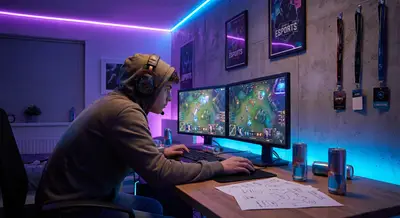
Grinding ranked all day is not a training plan. Pros treat practice like a full-time job, and the structure is where the real edge comes from.
Here’s what a serious, semi-pro-level routine often includes:
1. Targeted Aim & Mechanics Work
- FPS/Tactical: 15–45 minutes in aim trainers (Kovaak’s, Aim Lab) + custom maps or DRY runs in-game
- MOBAs: Last-hit drills, micro-intensive hero/champion practice, jungle pathing repetitions
- Fighting games: Lab combos and punishes, frame data study, specific matchup scenarios
The key is focused reps, not “I played for 7 hours, I must be improving.”
2. VOD Review (Yes, You Need to Watch Yourself)
Every serious player—and basically every pro team—does VOD review. If you’re not reviewing, you’re blind to your patterns.
What to look for:
- Positioning mistakes more than “bad aim”
- Decision-making around power spikes, utility usage, or item timings
- Communication patterns: were callouts clear, timely, and useful?
- Tilt moments where your performance obviously dropped
Pro tip: Watch your losses first. They hurt, but they show you where the free LP is hiding.
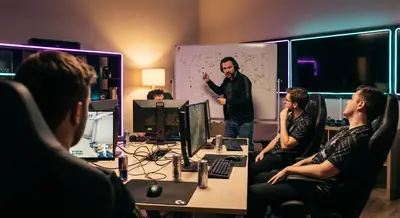
3. Structured Scrims and Roles
Pros don’t just solo queue all day. They:
- Scrim against other teams at regular times
- Play preset comps, strats, or maps to test ideas
- Review scrims like they’re official matches
Even if you’re not on an org, you can:
- Join amateur teams via Discord, Faceit/ESEA hubs, or community servers
- Set 2–3 scrim blocks a week with fixed teammates
- Focus each scrim on 1–2 things: a new comp, faster rotations, better mid-round calls, etc.
4. Physical and Mental Maintenance
It sounds cheesy—but this is literally why some players extend their careers and others burn out by 21.
What actually helps:
- Sleep: Aim for 7–9 hours. Reaction times and decision-making die without it.
- Breaks: 5–10 minutes away from the PC every 60–90 minutes.
- Basic exercise: Even a daily 20–30 minute walk helps with focus and stress.
- Tilt control: When you’re angry, your brain tunnels. Don’t keep queuing tilted. Hard rule: two tilted games in a row = instant break.
Steal this pro-level concept: train with intent. Every session should have a focus—aim, comms, map control, macro—not just “play until I’m bored.”
Getting In: From Ranked Warrior to Esports Competitor
You don’t just magically get “picked up.” There’s a path—and it’s more open than most people realize.
Step 1: Hit a Real Competitive Benchmark
You don’t need to be rank 1, but you do need to hit a tier where people take you seriously.
- LoL: High Diamond/Master+
- VALORANT/CS2: Immortal/Ascendant+ or Level 10+ in third-party ladders
- Fighting games: Regular top 8s at locals or online weeklies
- Rocket League: GC and above
Don’t obsess over titles like “pro.” Just push for rank levels where teams and orgs actually go scouting.
Step 2: Build a Player Profile (Yes, Even if You’re “Just” a Player)
Basic checklist:
- In-game name that’s consistent across platforms
- Socials: Twitter/X and Discord at minimum; optional Twitch/YouTube
- Role and style: “IGL, anchor, lurker” or “control mage mid & utility-focused” or “rushdown heavy in fighters”
- Clips & VODs: Short highlight reels + 1–2 full match VODs on YouTube or unlisted links
You want a coach, manager, or team captain to be able to check you out in 5 minutes and know if you’re worth trialing.
Step 3: Play Tournaments—Even Small Ones
Start where you are:
- Local LANs or university events
- Community tournaments via Battlefy, FACEIT, ESL, or game-specific hubs
- Weekly online cups or leagues
You’re chasing:
- Tournament experience under pressure
- VODs against stronger opponents
- Networking with players, coaches, and organizers
Some players get picked up more for their attitude and comms in tournaments than their raw aim.
Step 4: Network Without Being Cringe
You don’t need to spam DMs like “plz trial me.” Instead:
- Join Discords for your game’s competitive scene
- Play in community in-houses, scrims, and pugs
- Add players after good games and say something simple like “ggs, you played X really well”
- Post snippets of your gameplay with short, honest captions (“Trying to refine my post-plant timings—feedback welcome”)
Be the kind of player others want on their team: communicative, calm, and hungry to improve—not entitled or excuse-heavy.
Real Talk: The Downsides Nobody Puts in the Highlight Reels
Esports is hype, but it’s not all trophies and sponsors. If you’re aiming seriously at this, you should go in with clear eyes.
1. Burnout Is Very Real
Grinding 10–12 hours a day on solo queue, scrims, content, and travel is brutal. Without boundaries, you end up:
- Hating the game you used to love
- Playing worse despite “trying harder”
- Feeling lost when you’re not online
Solution: treat this like a long-term career. Prioritize sleep, breaks, and hobbies outside gaming. Burnout kills more dreams than “not being talented enough.”
2. Most Players Won’t Get Big Org Contracts
That’s just math. But that doesn’t mean “no future.” The ecosystem is wider than just “star player” or nothing.
Legit career paths around esports:
- Analyst or coach
- Broadcast talent (caster, host, desk analyst)
- Observer or production crew
- Social media manager or content lead for teams
- Community manager for games or tournament organizers
Your time grinding can translate into knowledge and connections that land you real roles—even if you never hoist a trophy on stage.
3. Money Early On Is Usually Bad
At semi-pro and low-tier pro levels, income is often:
- Small stipends or prize-split only
- Inconsistent from month to month
- Tied to performance, placing, or content deals
Don’t bet your rent on “next month’s tourney.” Keep some stability—a job, freelancing, or studies—until you’re undeniably in a stable, salaried tier.
Insider Tips to Level Up Faster in Esports
Here are some underused, high-impact moves that separate grinders from actual competitors:
Specialize hard, then expand.
Don’t flex 10 champs/agents/heroes at low ranks. Master a core 2–4, get known for them, then add more.Record comms and review them.
Mechanics are only half the game; communication wins maps. Listen back and ask: “Would I want to play with this person?”Steal from pros intelligently.
Don’t just copy builds or crosshairs. Watch where they position, how they rotate, when they give up space, how they use utility or cooldowns.Play above your comfort level regularly.
Scrim teams slightly better than you. Queue in higher-skill hubs. You’ll get exposed—but that exposure shows exactly what to fix.Detach ego from rank.
Rank is a tool, not your identity. Use it to find better practice environments, not to judge your value as a player or person.
Conclusion
Esports isn’t a fantasy anymore—it’s a real competitive arena with real stakes and real careers. But that also means it demands more than “I play a lot.”
If you’re serious about stepping up, treat yourself like an athlete: structured practice, honest self-review, strong mindset, and smart networking. Even if you never end up lifting a trophy in a sold-out arena, the skills, discipline, and connections you build chasing that path can pay off in more ways than one.
So pick your game, set your goals, and start training with intent. The gap between “ranked grinder” and “esports competitor” is smaller than you think—if you’re willing to play the long game.
Sources
- BBC Sport – Esports: What are they and why are people watching? – Overview of esports’ growth, audience, and mainstream appeal
- The International Official Website (Dota 2) – Example of a top-tier MOBA event with massive prize pools and global structure
- League of Legends Esports – Global Events – Official hub for LoL competitive play, schedules, and regional leagues
- Aim Lab – FPS Training Platform – Widely used by pro FPS players for mechanical training and aim improvement
- NCAA Research – Esports Programs in Higher Education – Insight into how universities are adopting esports and building formal pathways for players